


Welcome
Welcome to NYDFO, your source for overstock and remnants from luxury fabric houses that have never sold retail. Until now.
For fifty-five years, Quadrille, China Seas, and Alan Campbell have been hand screen-printing fabrics and wallpapers for the trade — the designers, the showrooms, the clients who already knew. You needed an account. You needed a source. You needed to know someone who knew someone. NYDFO is what happens when the vault opens: overstock, custom remnants, and discontinued colorways from one of the last hand-printing operations in America, at outlet prices, sold by the yard to anyone with the good sense to walk through the door.
Quantities are what they are. A bolt is eleven yards or fifty-one yards or six - and when it’s gone - that colorway becomes a thing people describe to each other at dinner parties.
Questions? Call David or Marie at the warehouse: 518-758-1555. Just say it’s NYDFO. They’ll take it from there.

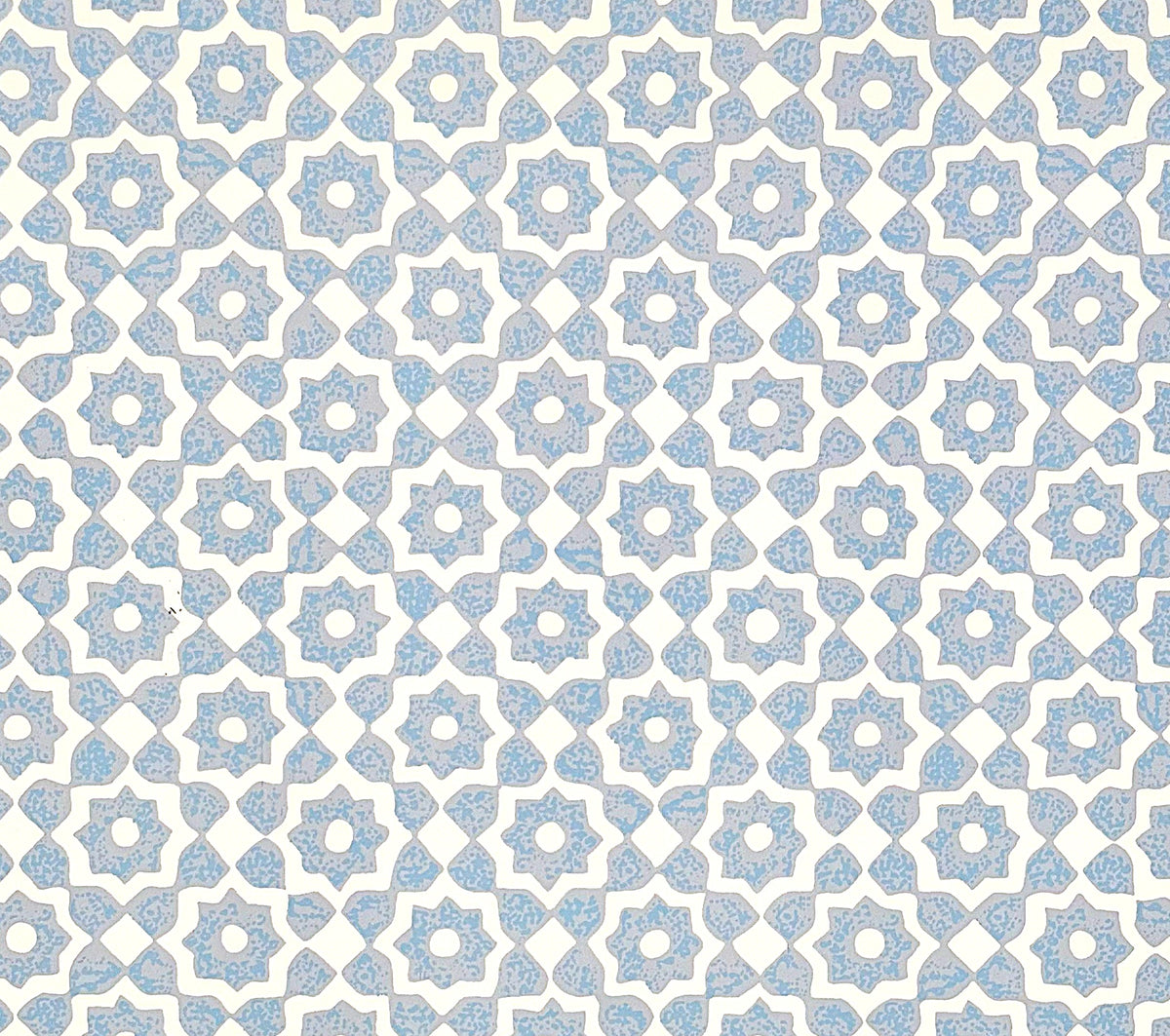
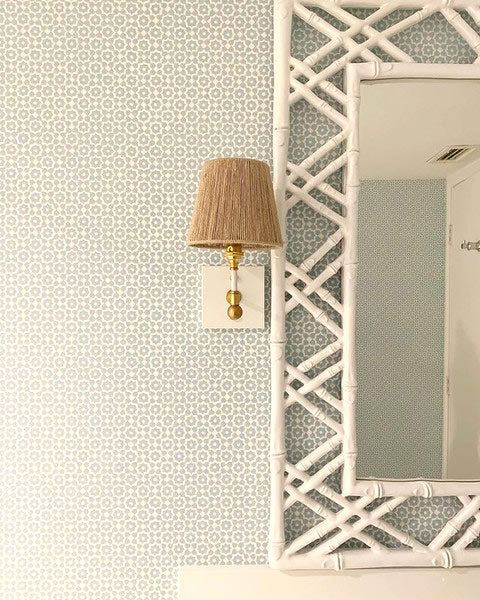
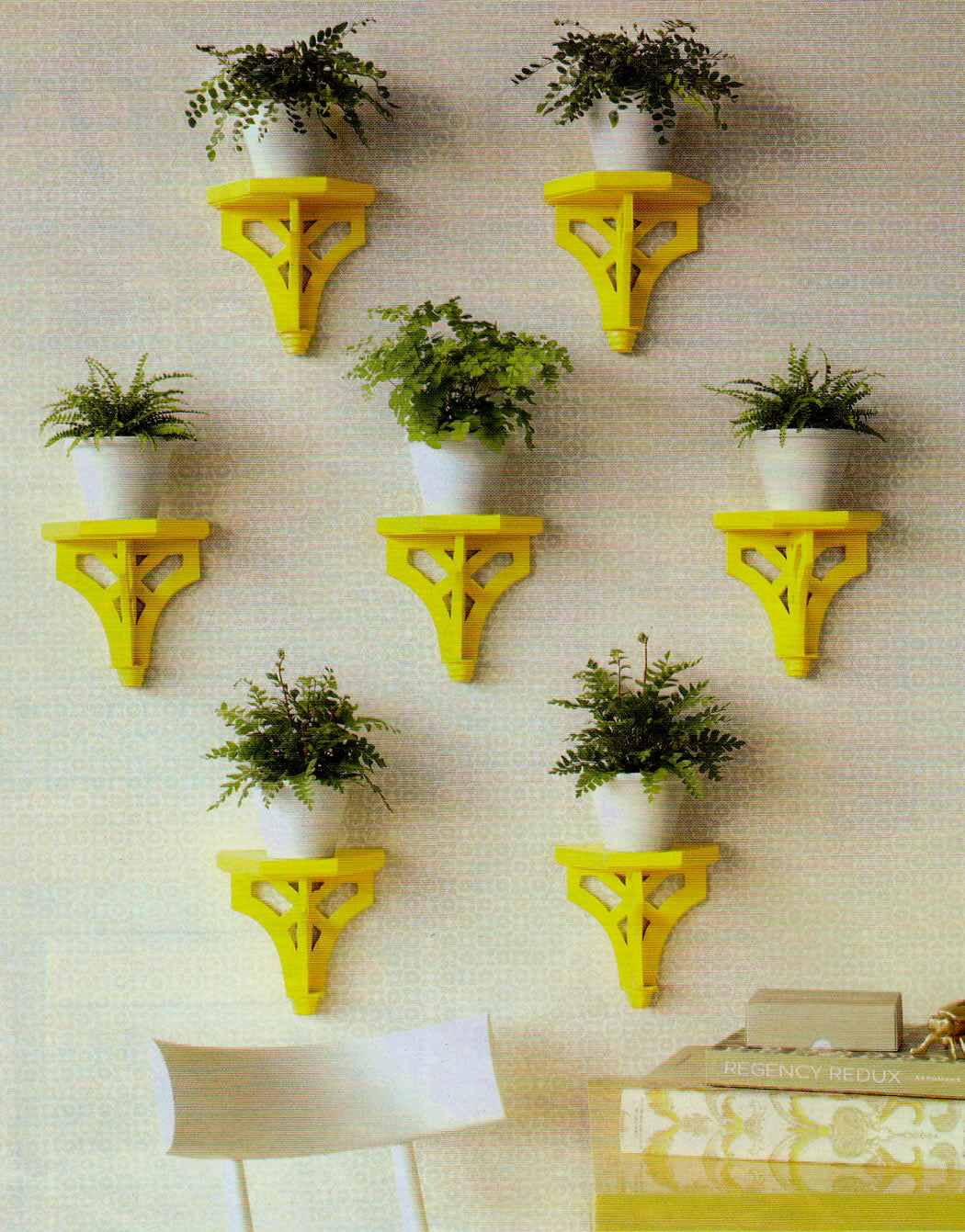
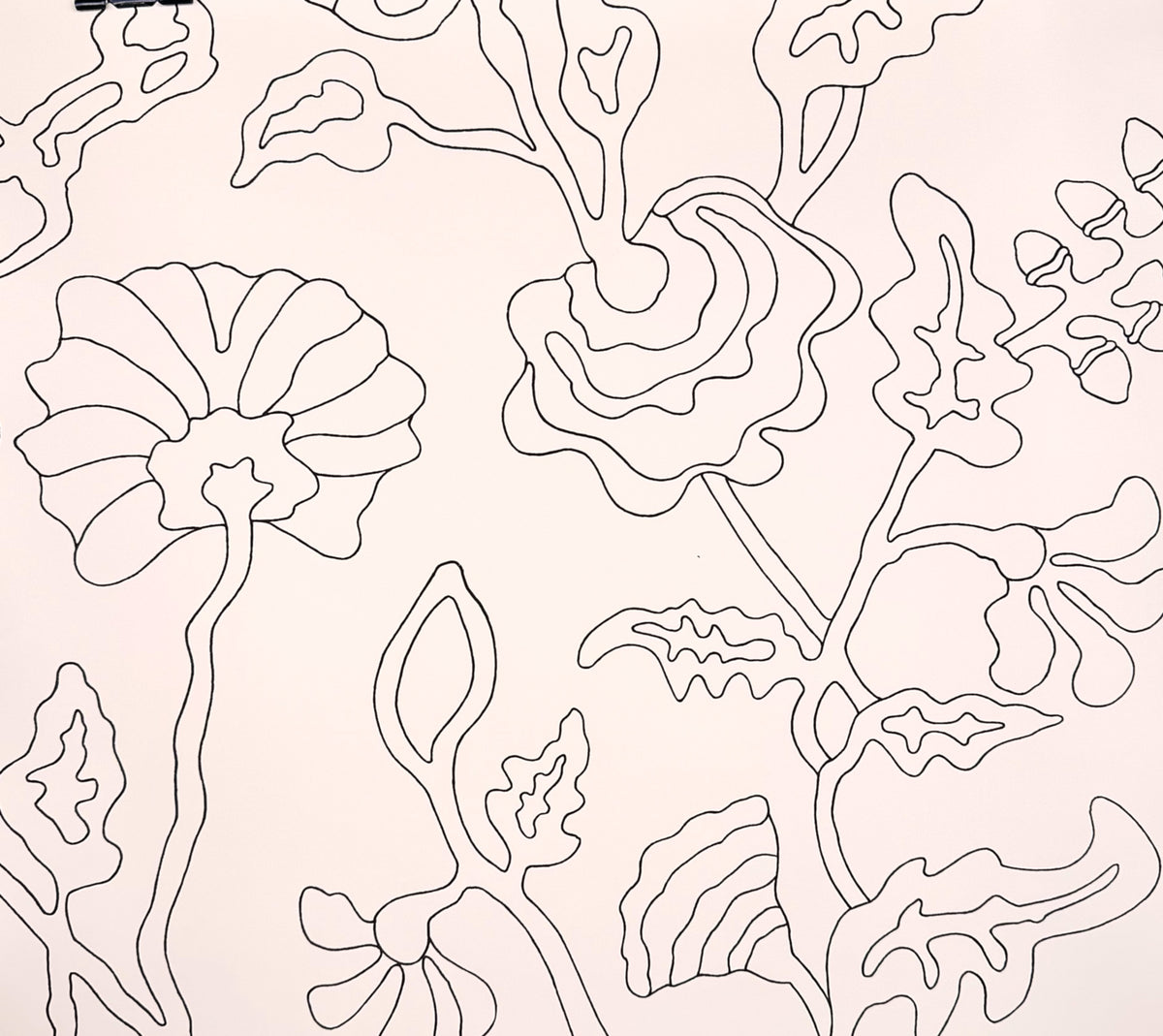

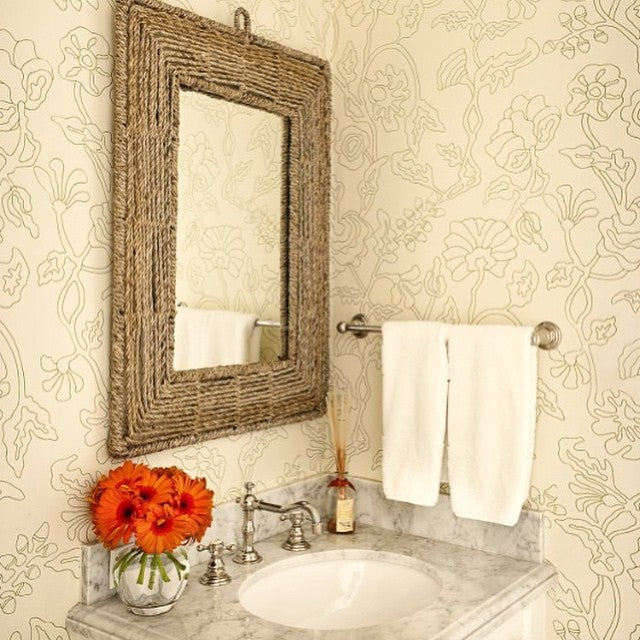

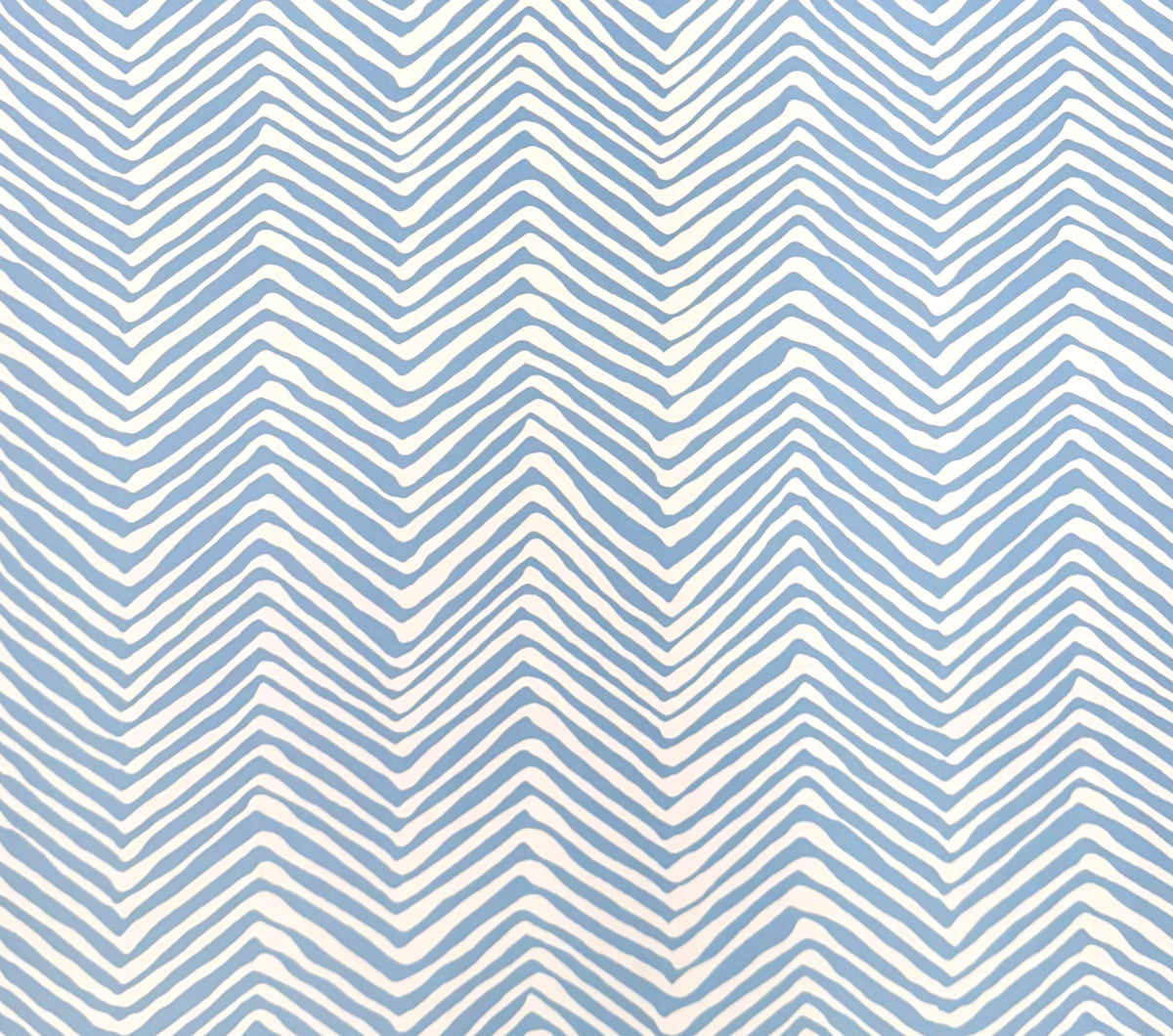
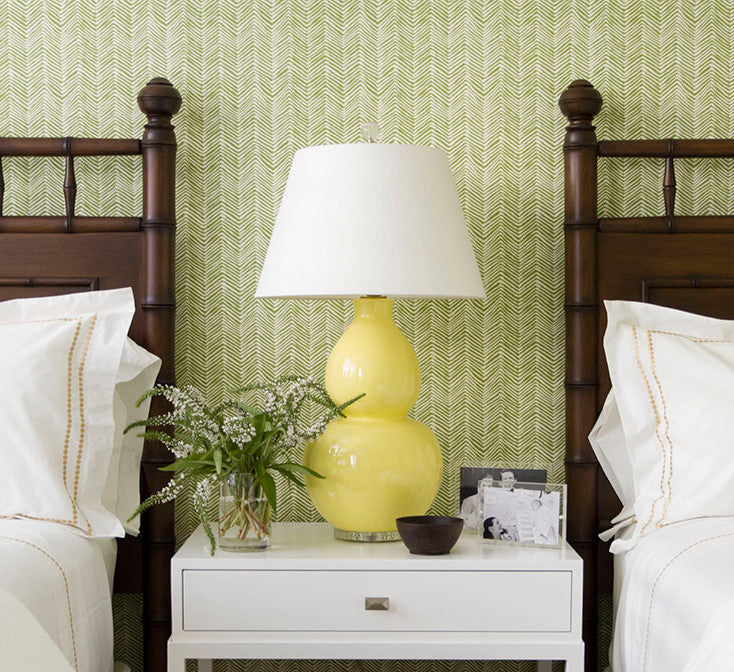

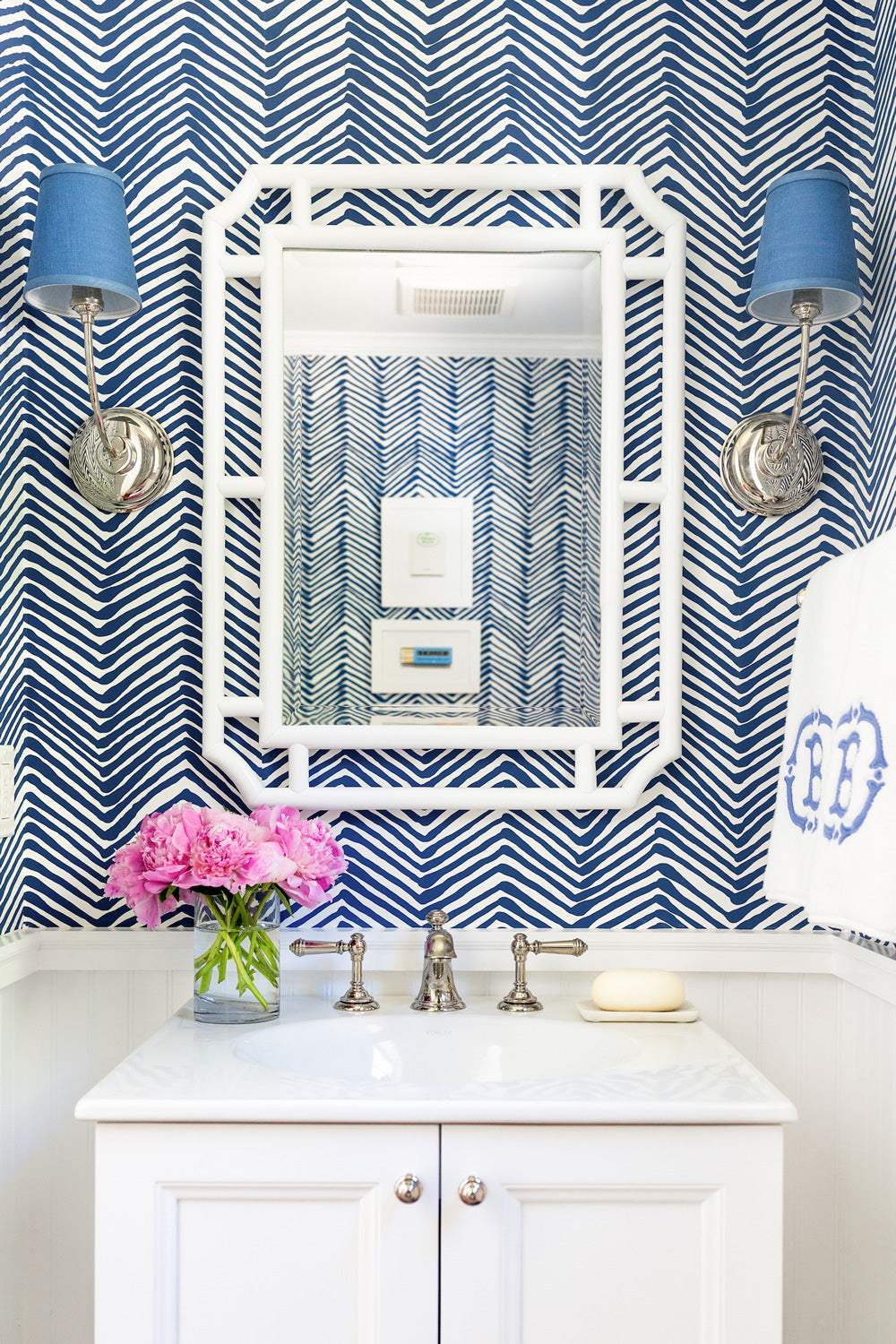
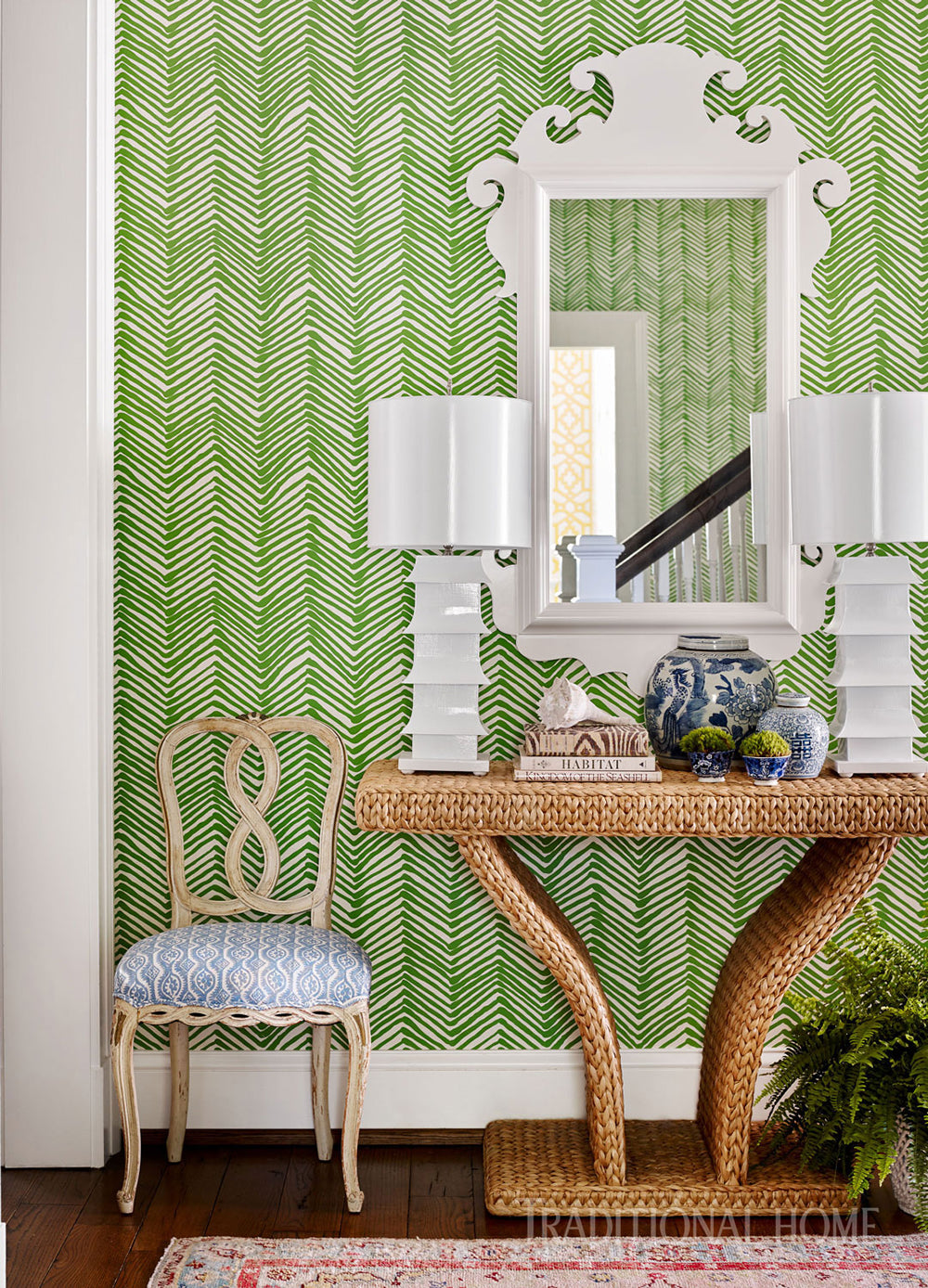
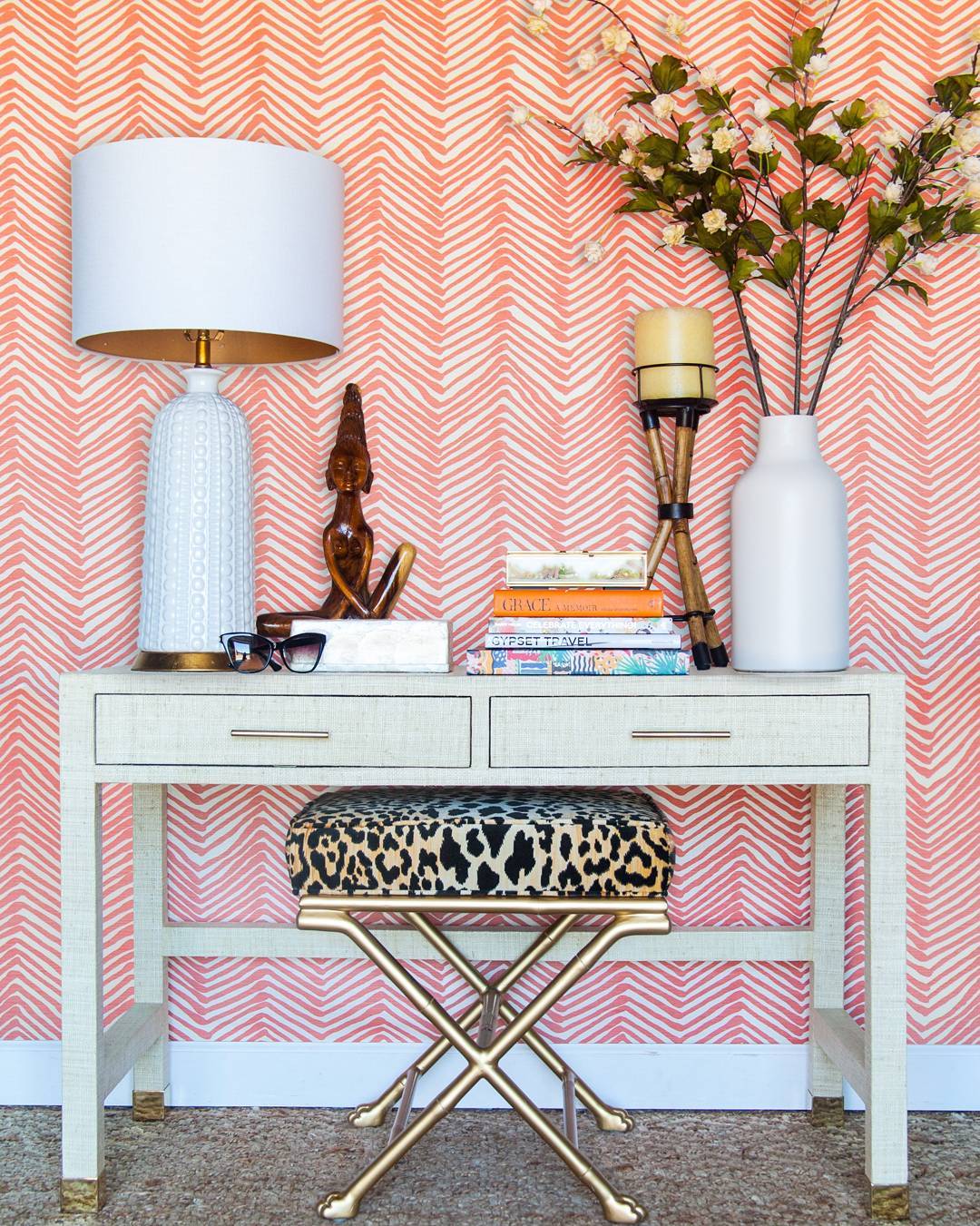
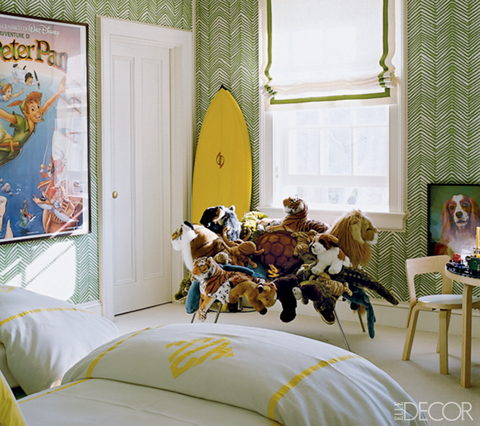
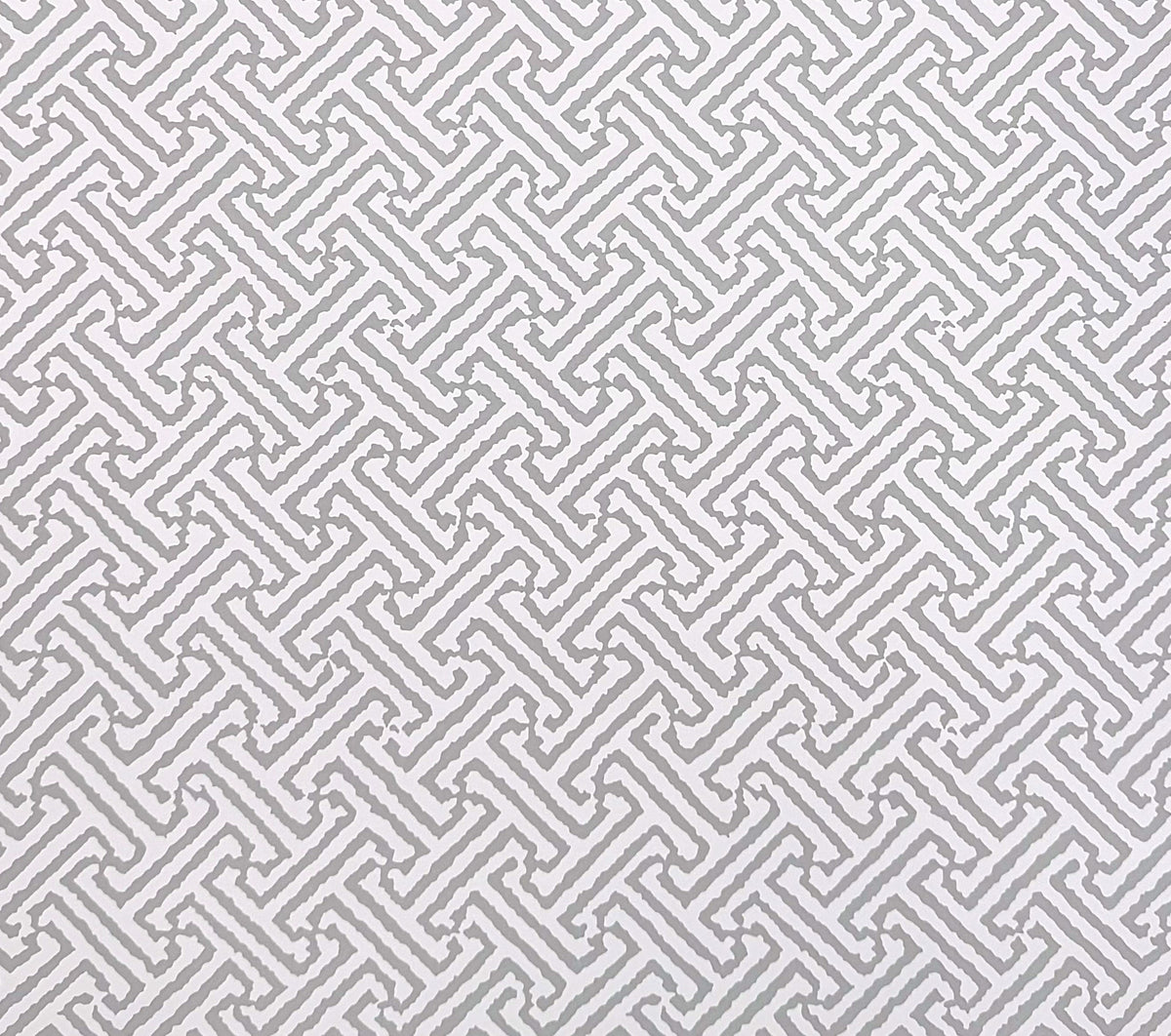
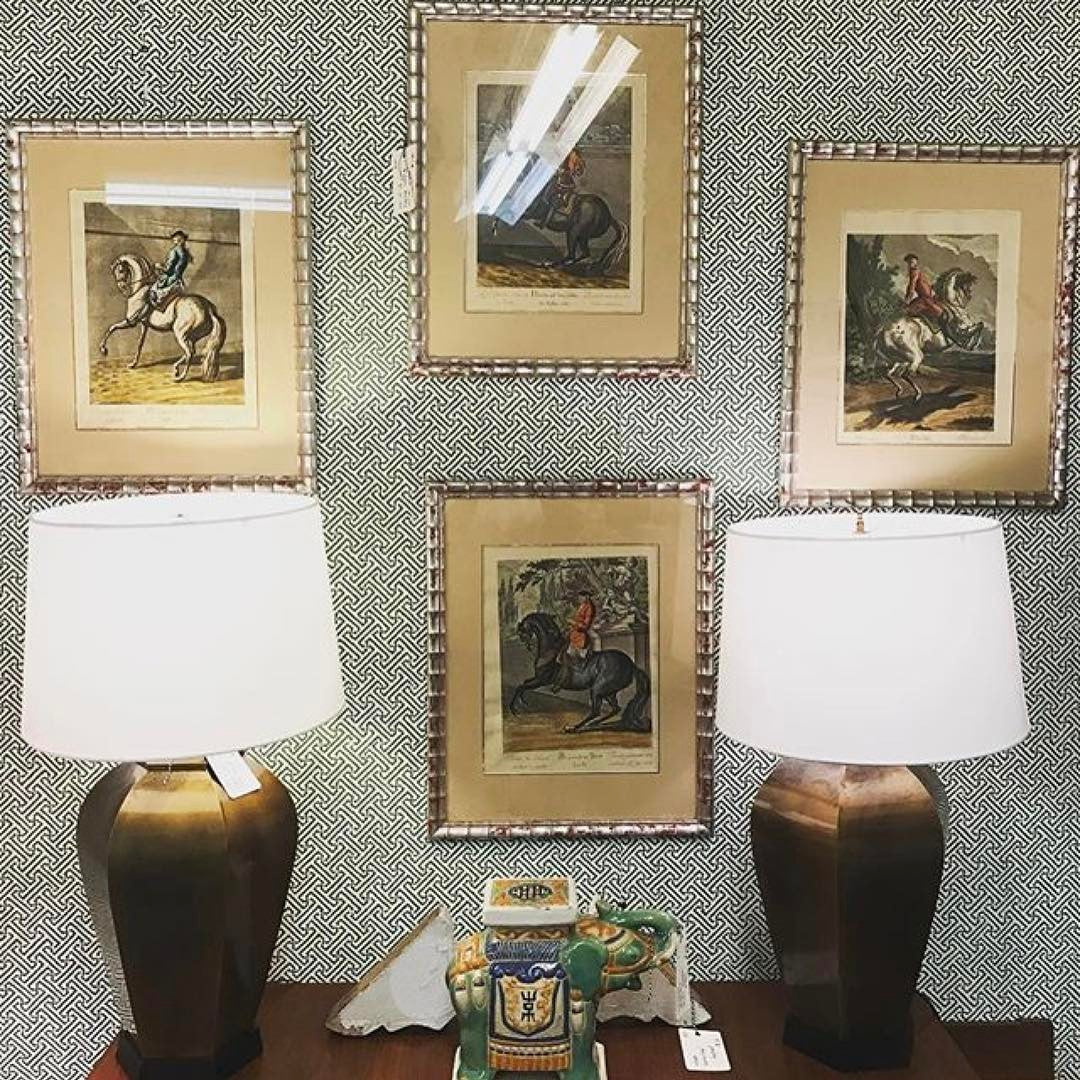
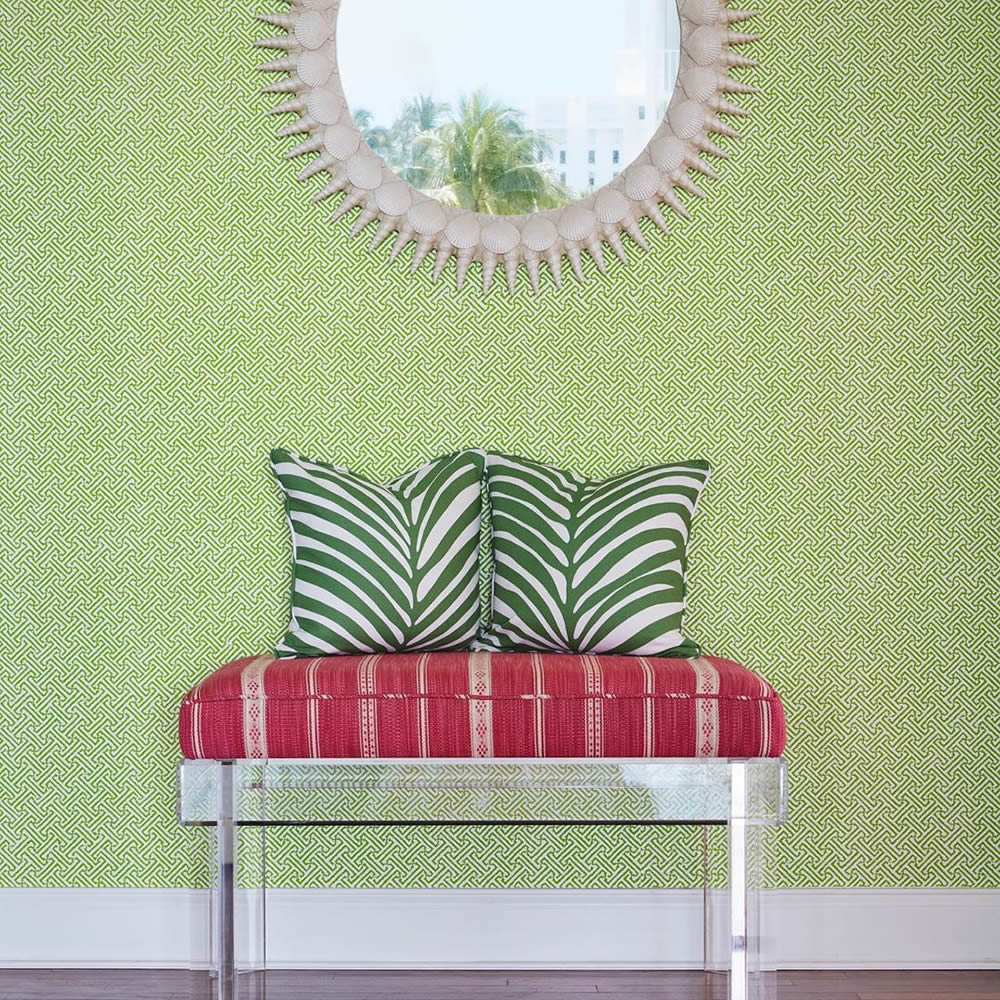
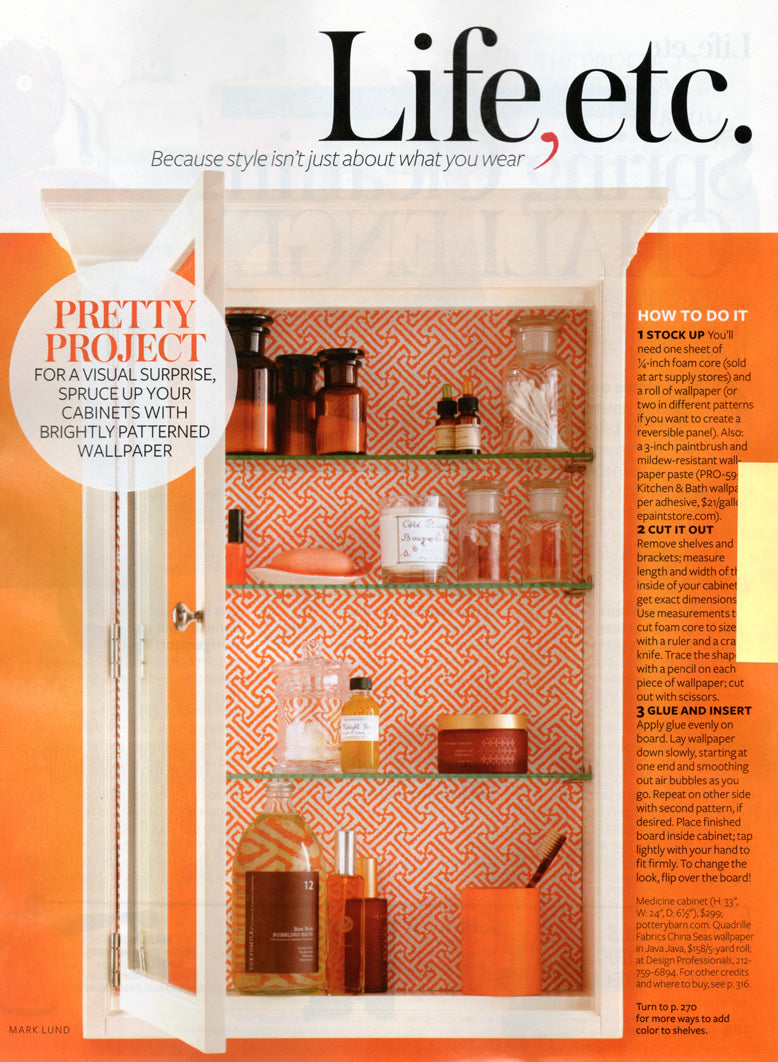
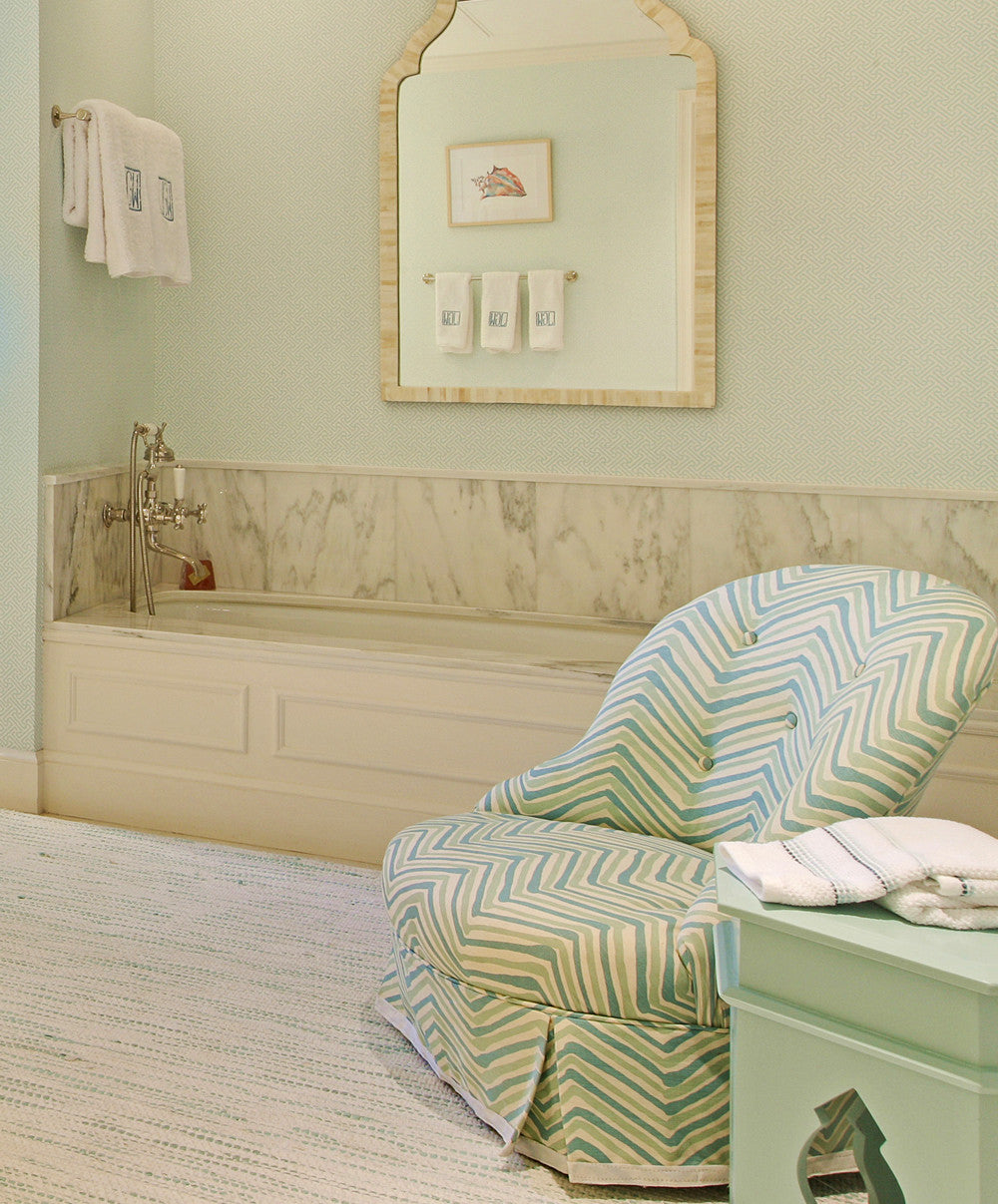

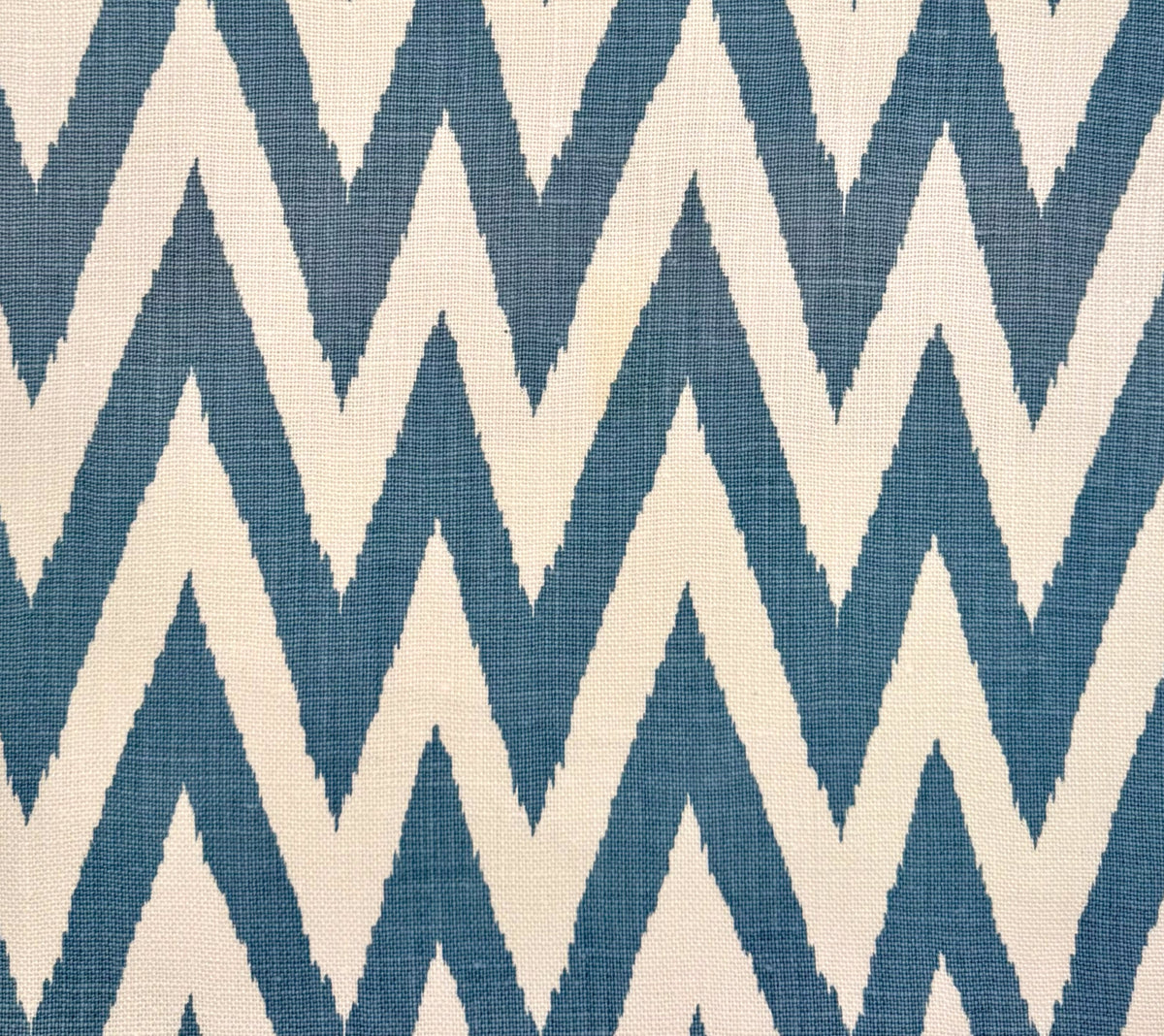
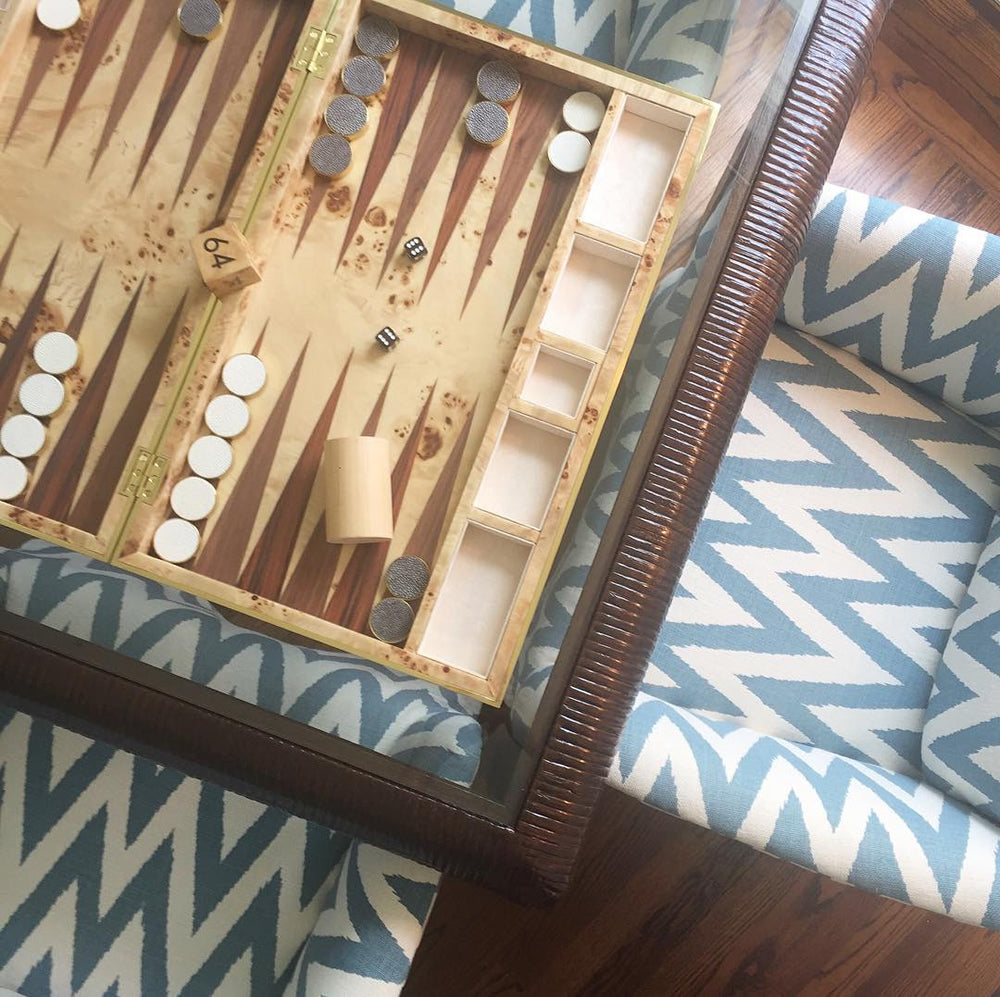
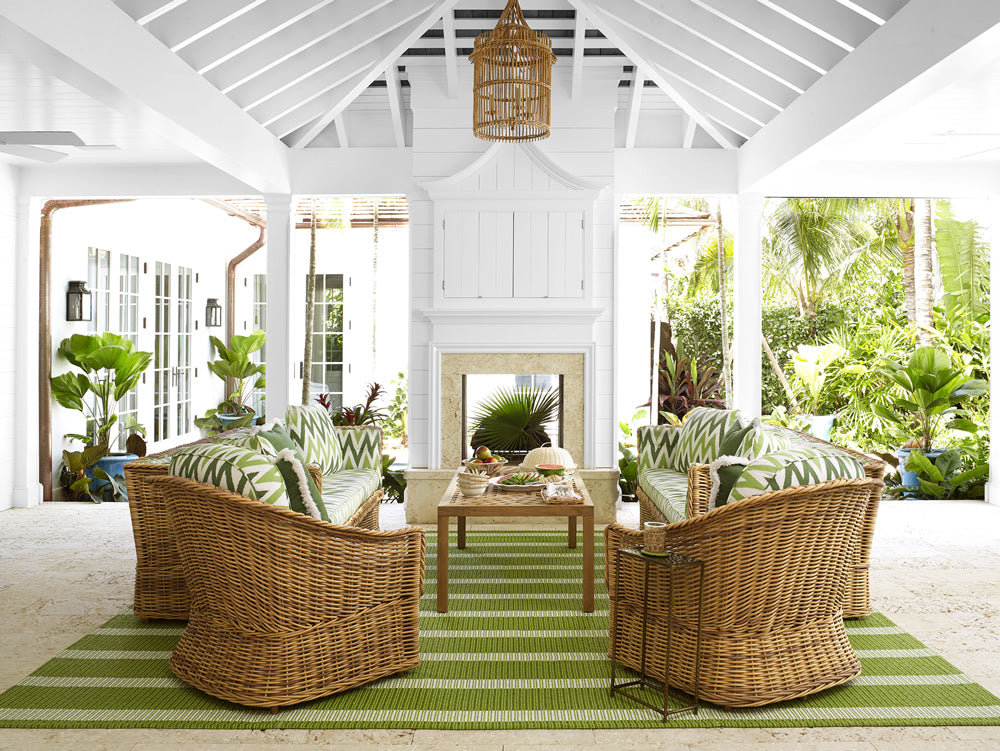
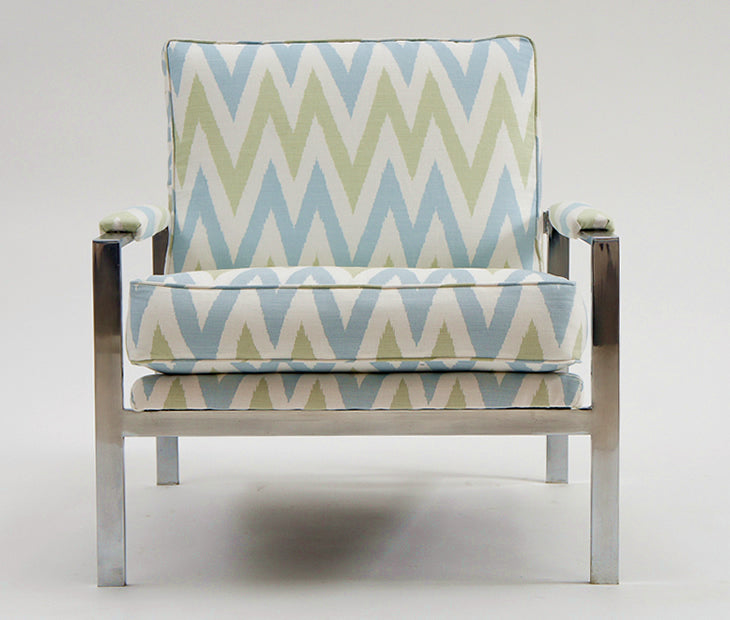


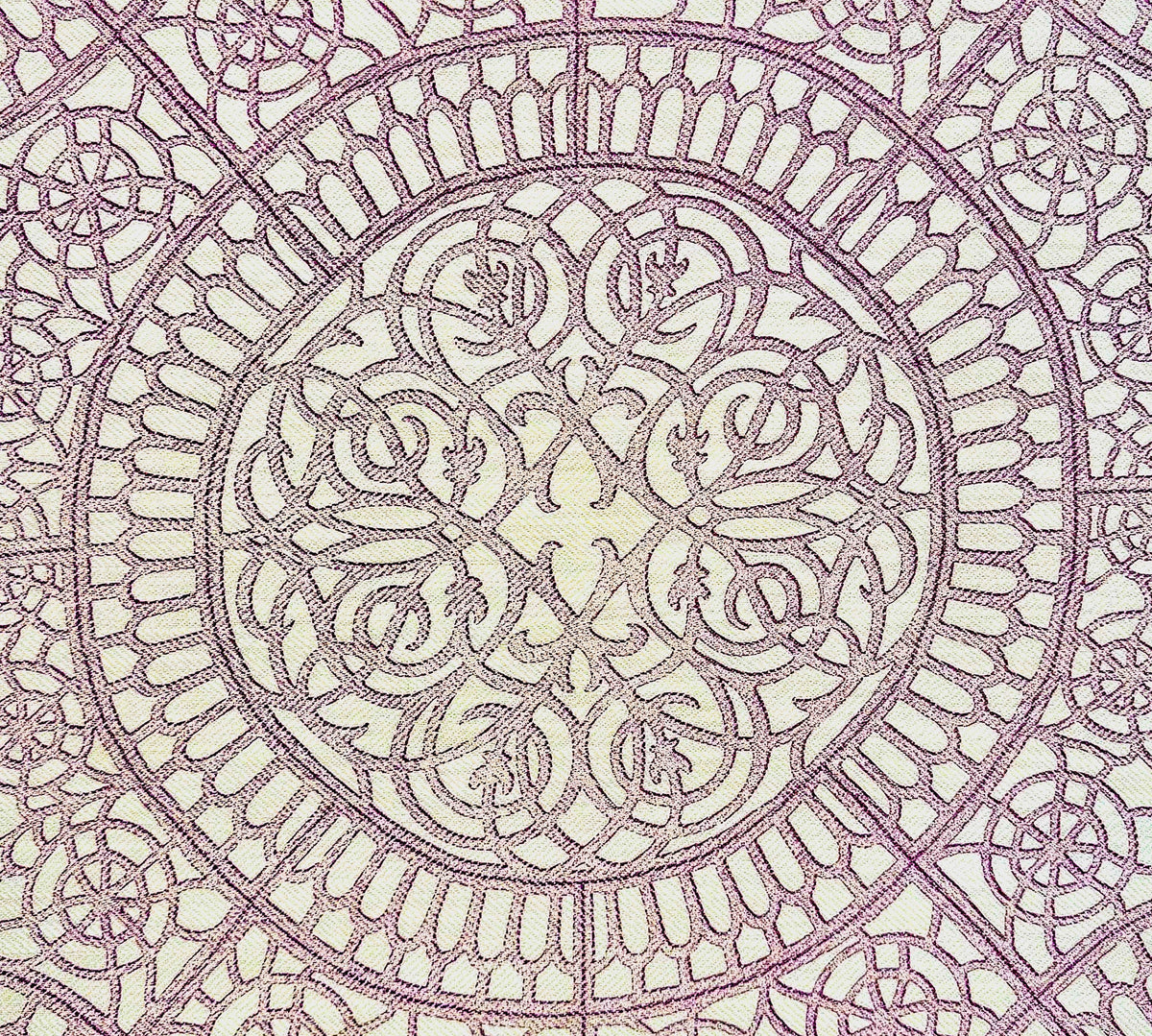

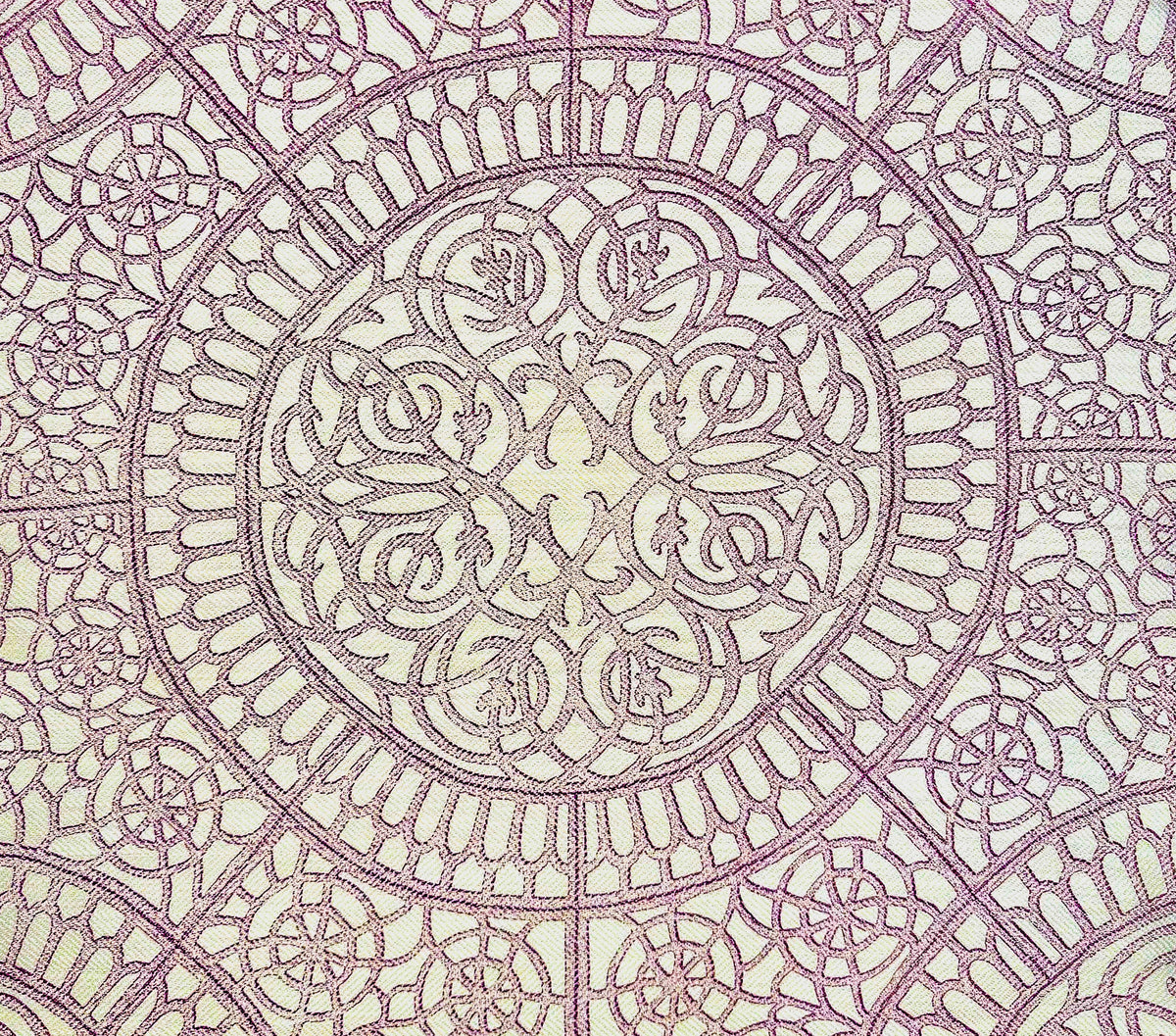
Fabrics that have been waiting, patterns that outlast the mills that made them, a store that believes in things other people walked past.
"The Grail was never the point. The quest was."

THE LAST HANDPRINTED LOT
Tropicana II has issued a statement.
Twenty-seven yards, Suncloth, Custom Blues on White. The screens have retired; the palm has opinions. → Read the statement.
WALLPAPERS ARE ARRIVING NOW
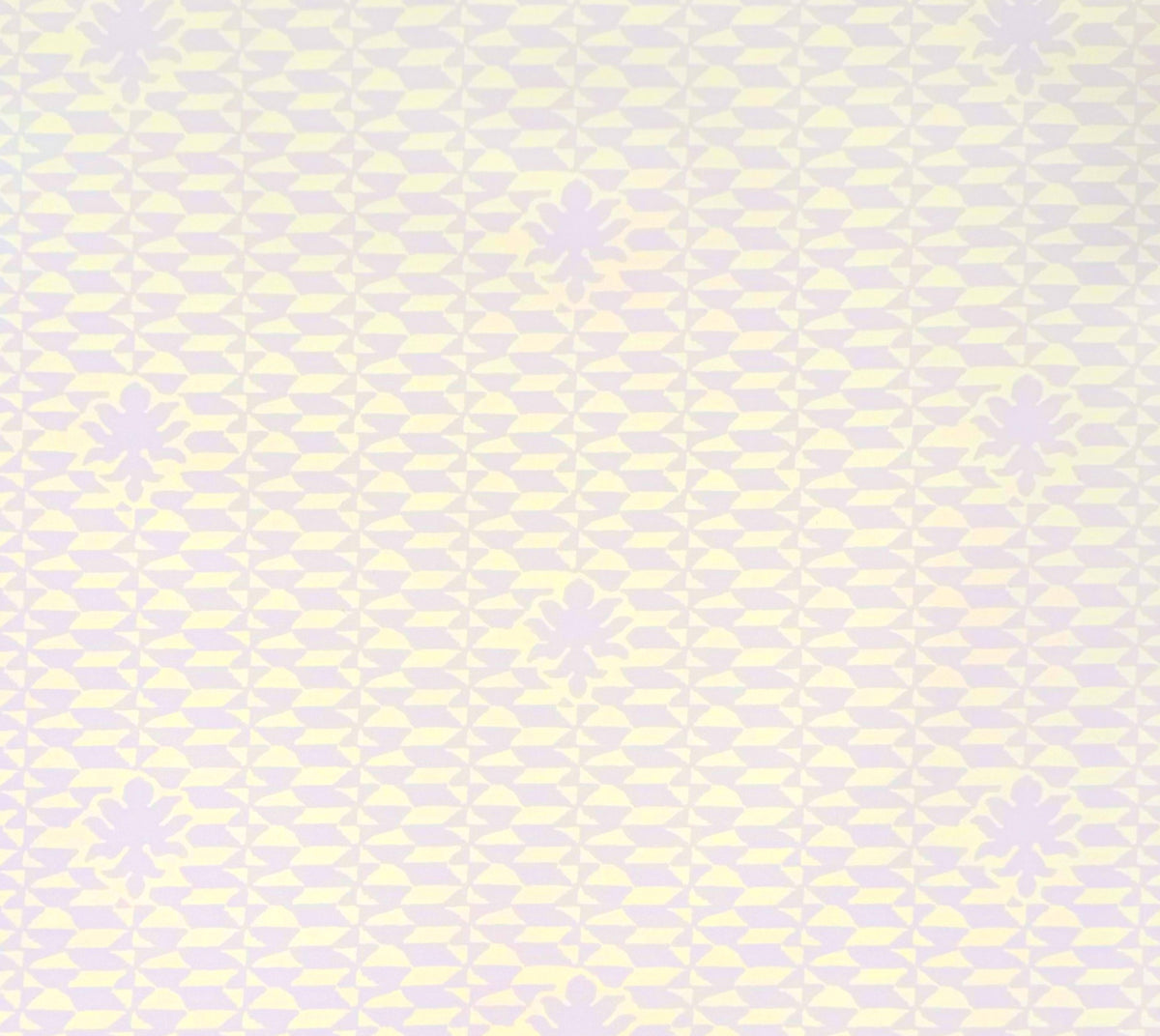
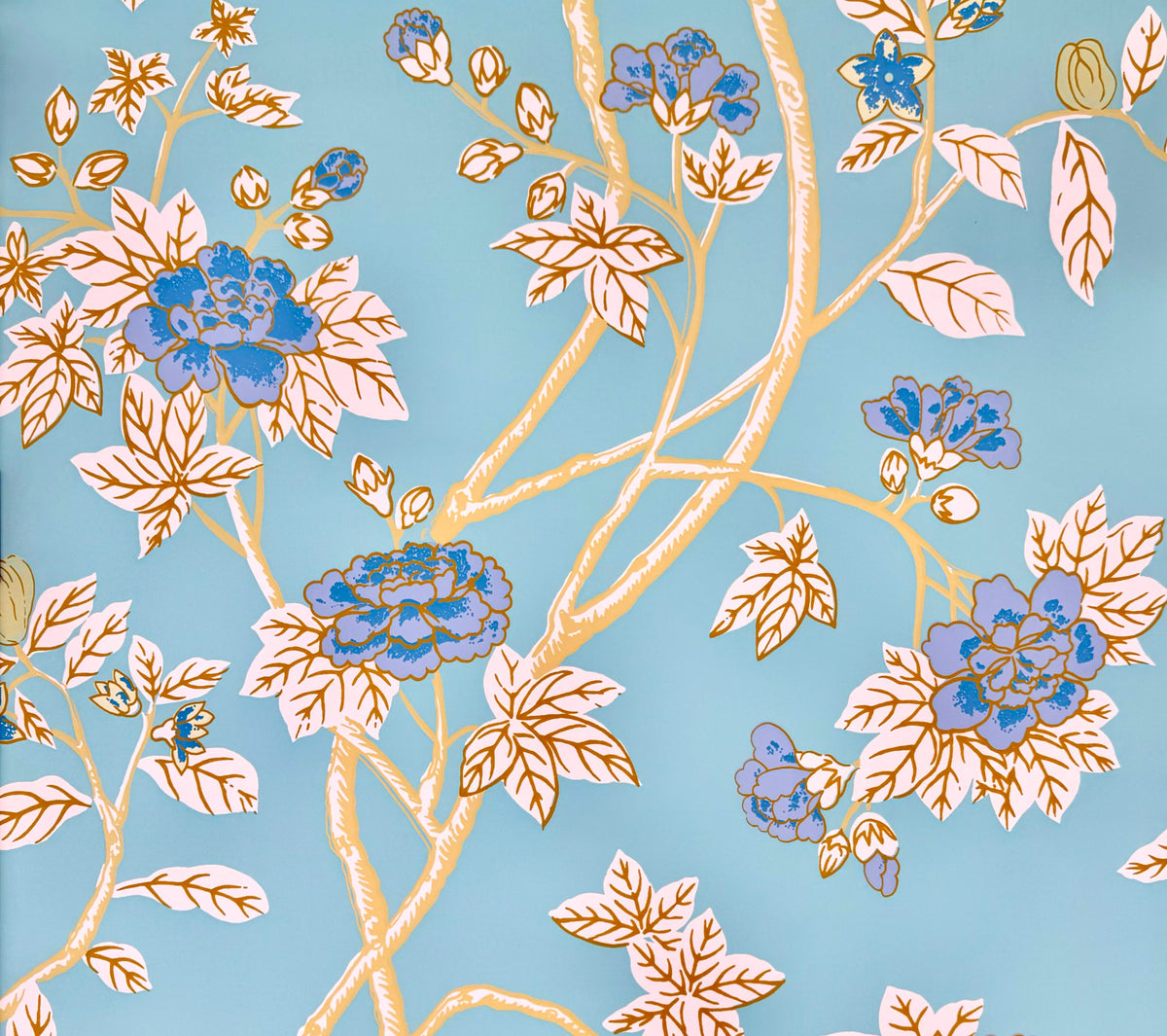
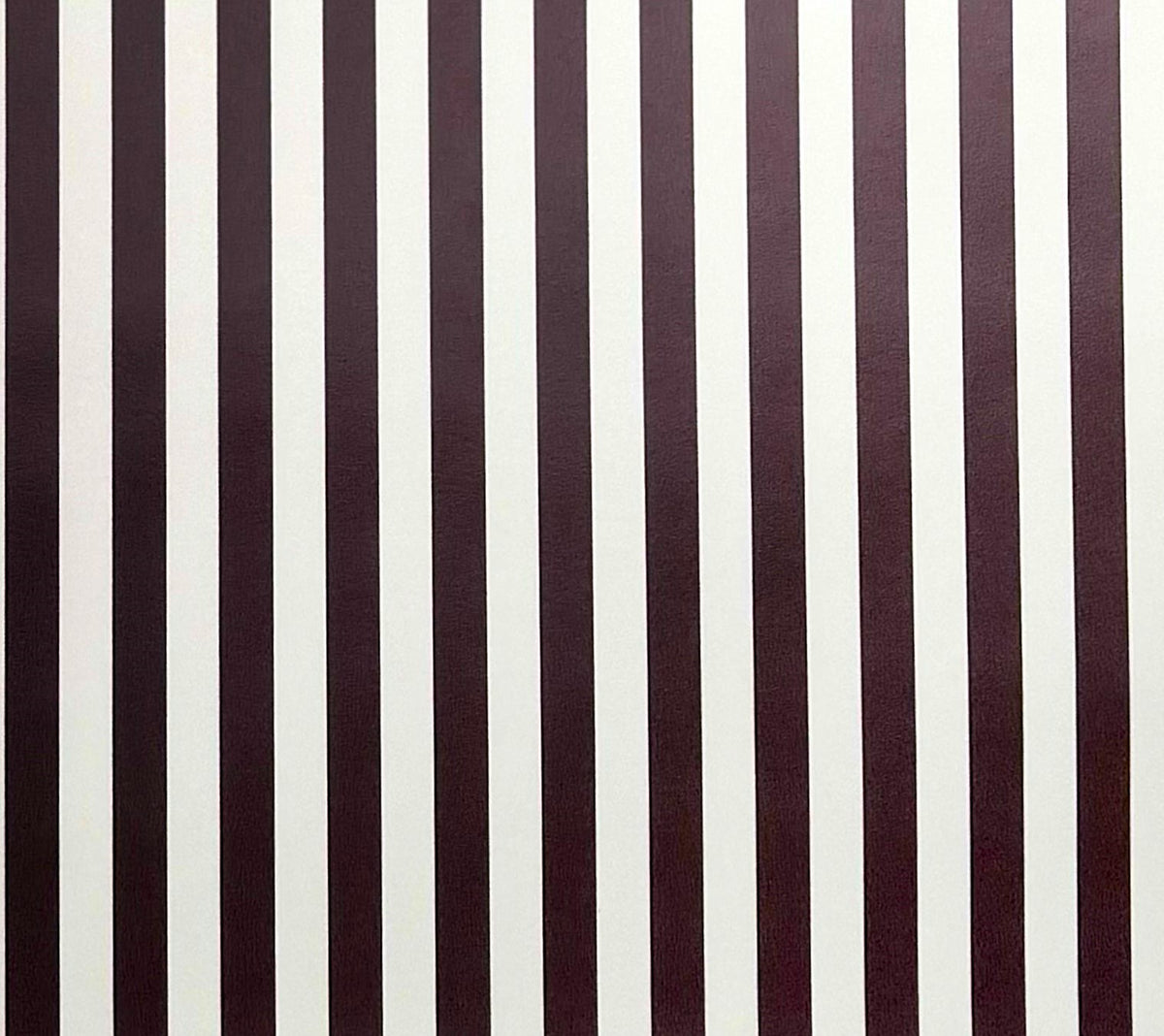

Our Red Tag Sale… featuring… Red.
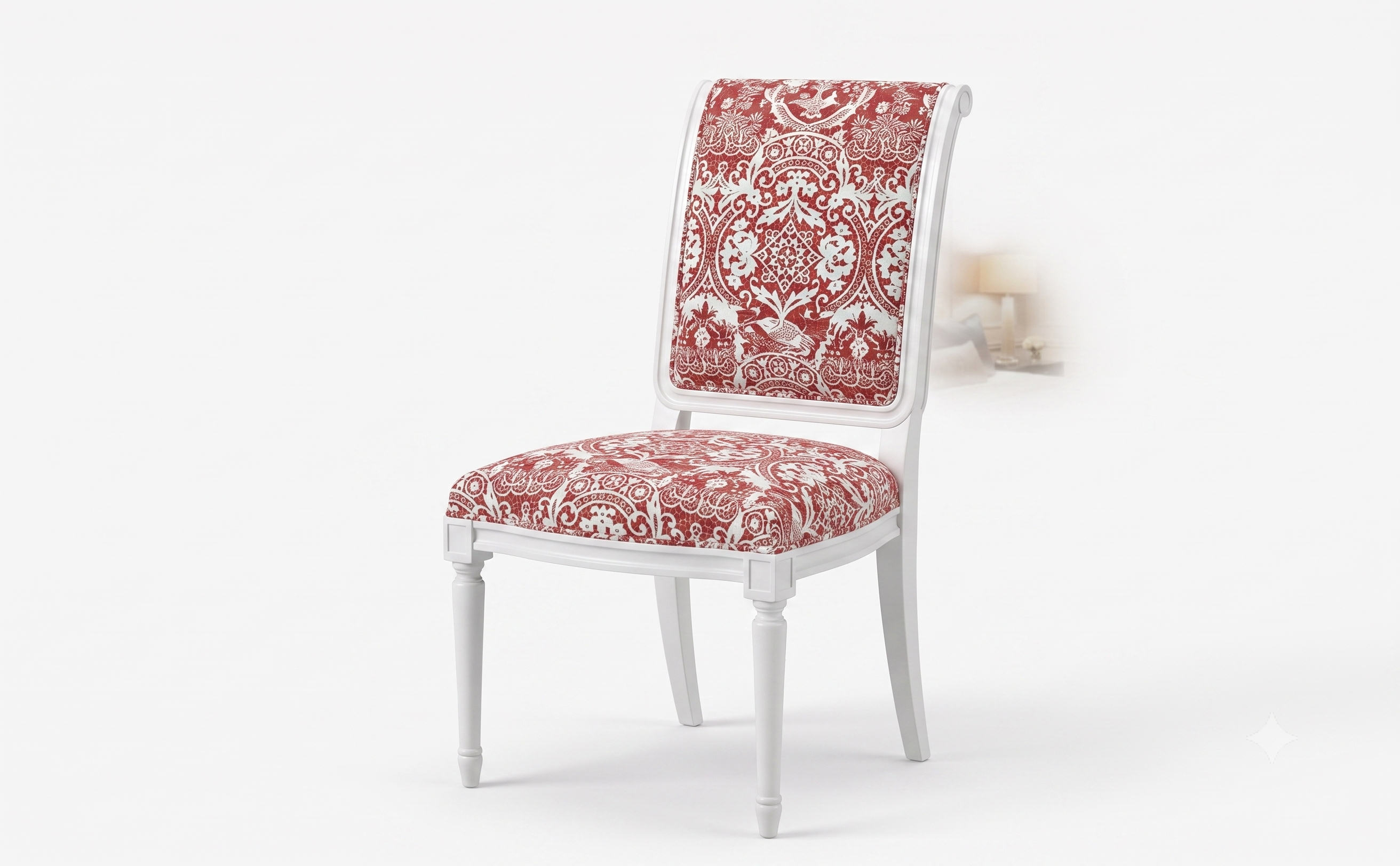
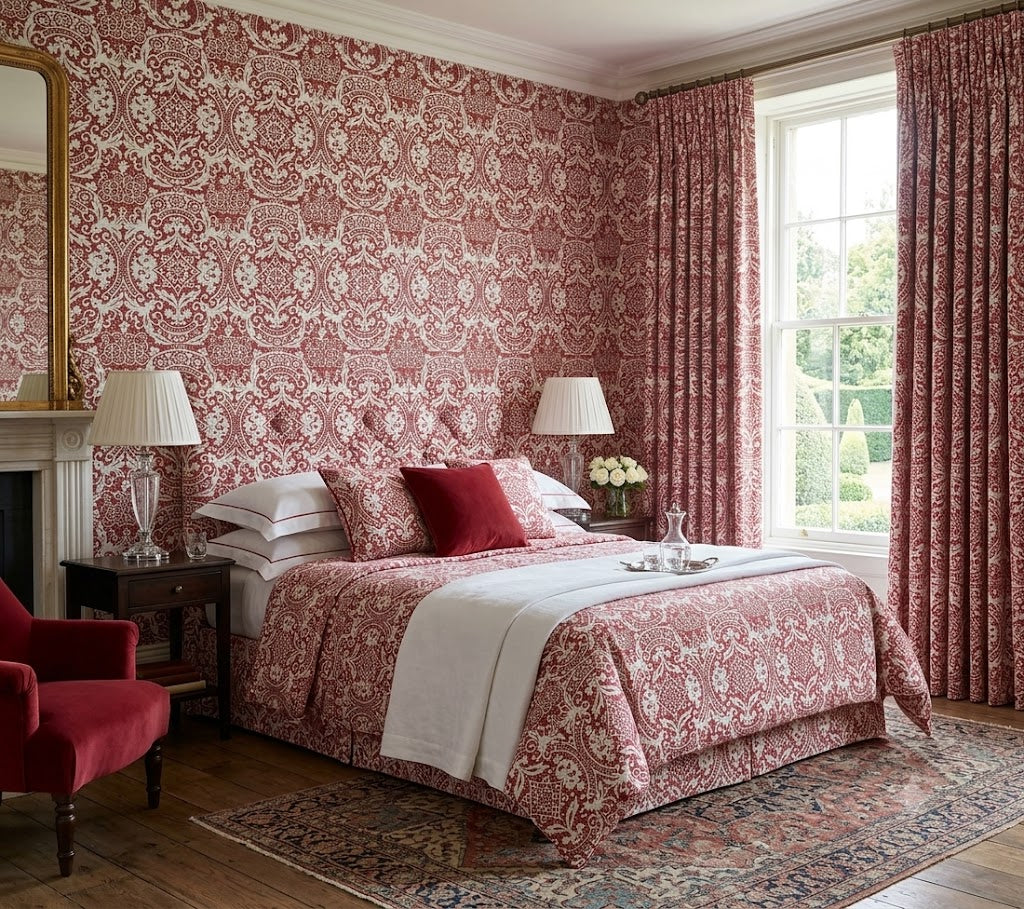


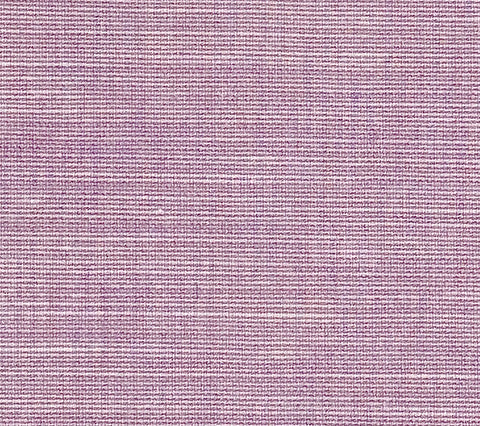
Our ground
Our Belgian linen / cotton is woven by a fifth-generation family mill in the historic flax region near Kortrijk—where streets are still named Vlasstraat, Roterijstraat, and Linnenstraat (Flax Street, Retting Street, Linen Street). The fabric is inspected yard by yard and mended by hand where necessary.
The mill has been CO2 neutral since 2014. The best flax in the world is still grown in their region, transformed by craftsmen whose families have been doing this work for over 150 years.

25 yards at a time
The screen moves down the table in measured steps, anchored by metal stops that keep each repeat aligned with the last. Pull, lift, move, repeat. What looks like a single pattern is actually dozens of precise impressions, joined so seamlessly your eye will never find the seams. This is how it's done—by hand, in the USA, one length at a time.

The long table
Twenty-five yards of possibility. The table waits for the ground cloth, then the linen, then the screens. Each pattern will travel this length one pull at a time—stop, print, lift, move, repeat. What emerges at the end has touched every inch of this surface. There are no shortcuts when the table is this long.

Where color begins
This is not a tidy process. Custom Turquoise, Jungle Green, the particular orange of a bird-of-paradise flower—they all start here, in buckets and drums, mixed by hand until the eye says yes. Water-based pigment inks, formulated to match what the designer imagined. The mess is the proof that humans were here.
25 yards at a time
The screen moves down the table in measured steps, anchored by metal stops that keep each repeat aligned with the last. Pull, lift, move, repeat. What looks like a single pattern is actually dozens of precise impressions, joined so seamlessly your eye will never find the seams. This is how it's done—by hand, in the USA, one length at a time.
The long table
Twenty-five yards of possibility. The table waits for the ground cloth, then the linen, then the screens. Each pattern will travel this length one pull at a time—stop, print, lift, move, repeat. What emerges at the end has touched every inch of this surface. There are no shortcuts when the table is this long.
Where color begins
This is not a tidy process. Custom Turquoise, Jungle Green, the particular orange of a bird-of-paradise flower—they all start here, in buckets and drums, mixed by hand until the eye says yes. Water-based pigment inks, formulated to match what the designer imagined. The mess is the proof that humans were here.


